설치
npx -y @deepseek-ai/dsh plugin --profile web add github:lukaiwuyi/dsh-frontend-tools이 설치 명령은 GitHub 저장소 주소에서 생성된 확인되지 않은 시작점입니다.
README
유지 관리자가 작성한 문서 스냅샷입니다.
dsh-frontend-tools
English | 中文


Bridge web/Electron/Tauri/Node applications to DeepSeek Harness (DSH) agents in real time — expose your app's frontend tools to AI agents over a loopback WebSocket.
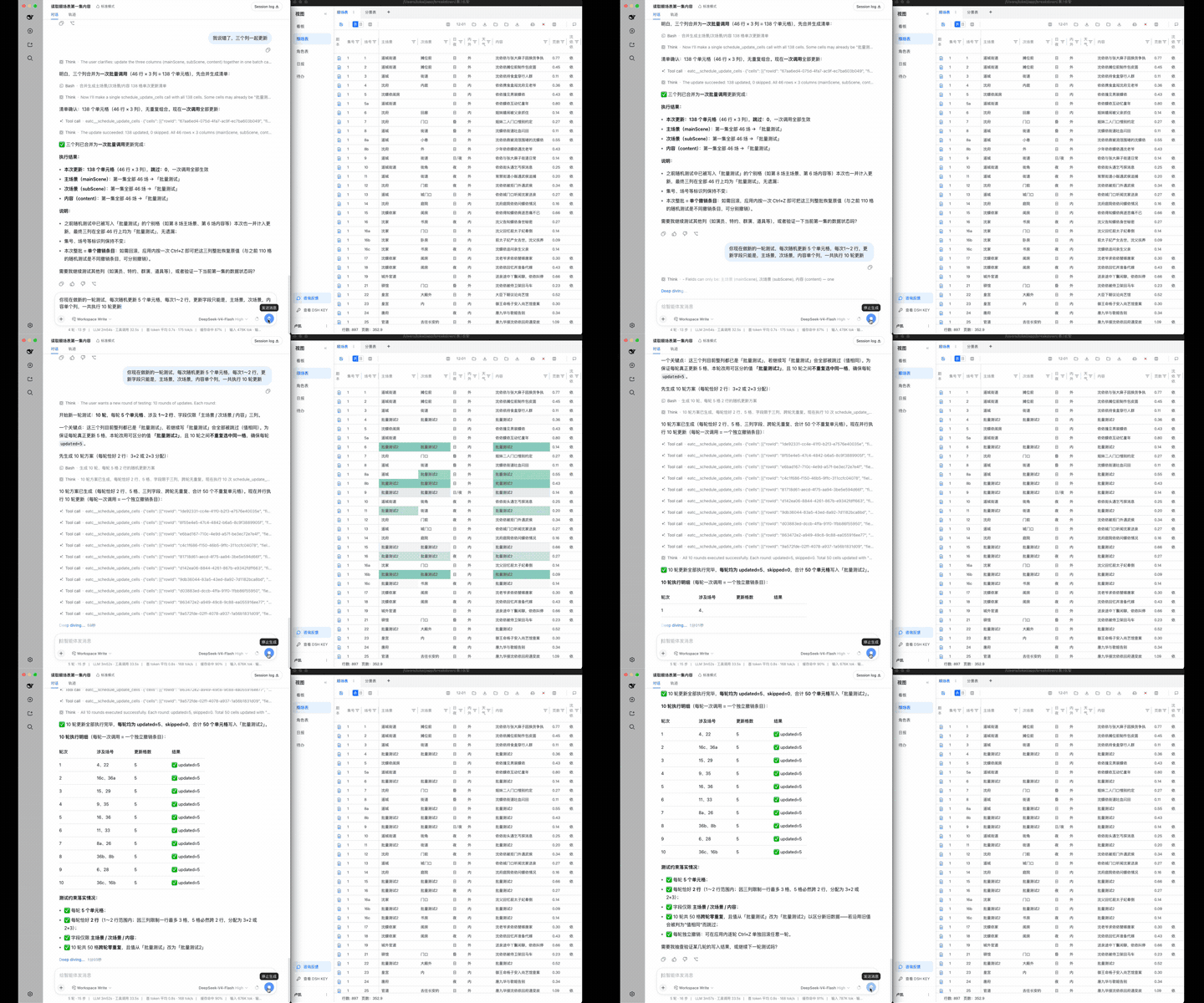
Why?
Most agent tooling is built around the file system. Yet countless applications and systems are built on frontend technologies — places agents cannot reach by reading and writing files.
dsh-frontend-tools flips the model: instead of granting the agent direct access to underlying data, the connected application becomes a stand-in for a human operator. The agent works through the app's own interaction entry points, exactly like a person sitting in front of the screen.
- Aligned authority — the agent can do exactly what a human user can, nothing more. Source-of-truth data is never accessed out-of-band.
- Intact data flow — every operation still passes through the app's original validation, linkage, and side effects.
- Preserved interaction semantics — undo stacks, optimistic updates, and other built-in mechanics keep working for the agent.
Inspired by the frontend tools of CopilotKit. The goal: on top of the DSH harness, let any frontend application or system plug into agents — quickly and elegantly.
What is this?
dsh-frontend-tools is a two-package project that lets any JavaScript application (browser page, Electron renderer, Tauri app, Node process) register its own functions as tools available to a DSH agent, and receive real-time tool calls from the agent back to the application.
- dsh-frontend-tools-bridge — DSH plugin: runs a loopback WebSocket server inside DSH. Mirrors registered application tools onto
ctx.toolsand forwards model calls back. Supports multiple applications simultaneously via KEY-based namespace isolation. - dsh-frontend-tools-client — Application SDK: connects to the bridge, registers tools, handles incoming calls. Zero runtime dependencies beyond platform
WebSocket.
┌─────────────────────┐    WebSocket (127.0.0.1)    ┌──────────────────────┐
│   Your Application  │  ─────────────────────────▶  │   DSH + Bridge       │
│                     │  ◀─────────────────────────  │   (dsh-frontend-     │
│  - generate KEY     │   register tools / calls    │    tools-bridge)     │
│  - register tools   │                              │   - multi-app by KEY │
│  - execute calls    │                              │   - admin tools      │
└─────────────────────┘                              └──────────────────────┘
Quick start
1. Install the bridge plugin in DSH
In your DSH cordis.yml, add:
plugins:
  - import: dsh-frontend-tools-bridge
    config:
      port: 31870          # optional, default 31870
      maxTools: 200        # optional, total tool budget across all apps
Then install the package:
pnpm add dsh-frontend-tools-bridge
2. Install the client SDK in your application
npm install dsh-frontend-tools-client
# or pnpm / yarn
3. Connect your app
import { createFrontendToolsClient, generateClientKey } from 'dsh-frontend-tools-client'

// Generate a KEY once, persist it (localStorage or similar)
const key = localStorage.getItem('dsh-key') ?? generateClientKey()
localStorage.setItem('dsh-key', key)

const client = createFrontendToolsClient({ url: 'ws://127.0.0.1:31870', key })
await client.connect()

// Register a tool
await client.registerTools([{
  name: 'get_current_page',
  description: 'Get information about the current page the user is viewing.',
  parametersSchema: { type: 'object', properties: {} },
  readOnly: true, // read-only tools run without interruption
  async execute() {
    return { url: location.href, title: document.title }
  },
}])

// Tools WITHOUT `readOnly: true` are WRITE operations: every call clears
// DSH's human approval before it is forwarded to your app (fail-safe
// default — undeclared means write).
4. Register the KEY with DSH
- In your app, display the DSH KEY to the user (use
buildClientKeyClipboardText()for a ready-to-paste format). - The user pastes it into a DSH conversation.
- The model calls
frontend_tools_register_clientto register the KEY against a namespace. - Done — your app's tools are now live in the agent's tool list.
See dsh-frontend-tools-client for full SDK documentation and dsh-frontend-tools-bridge for bridge configuration, admin tools, and protocol details.
Development
pnpm install
pnpm run build       # build both packages
pnpm run typecheck   # type-check all sources
pnpm run test        # run 175 unit tests
License
MIT
프로젝트 파일 및 신호
표시된 항목은 디렉터리 스냅샷에서 감지된 공개 저장소 신호입니다.
저장소 정보
- 언어
- TypeScript
- 라이선스
- MIT
- 마지막 업데이트
- 2026. 8. 16. 오전 6:51
신중하게 설치하기
소스 코드, 권한, 수명 주기 스크립트, 의존성 및 네트워크 접근을 검토하고 신뢰하지 않는 플러그인은 격리 환경에서 테스트하세요.